Loading...
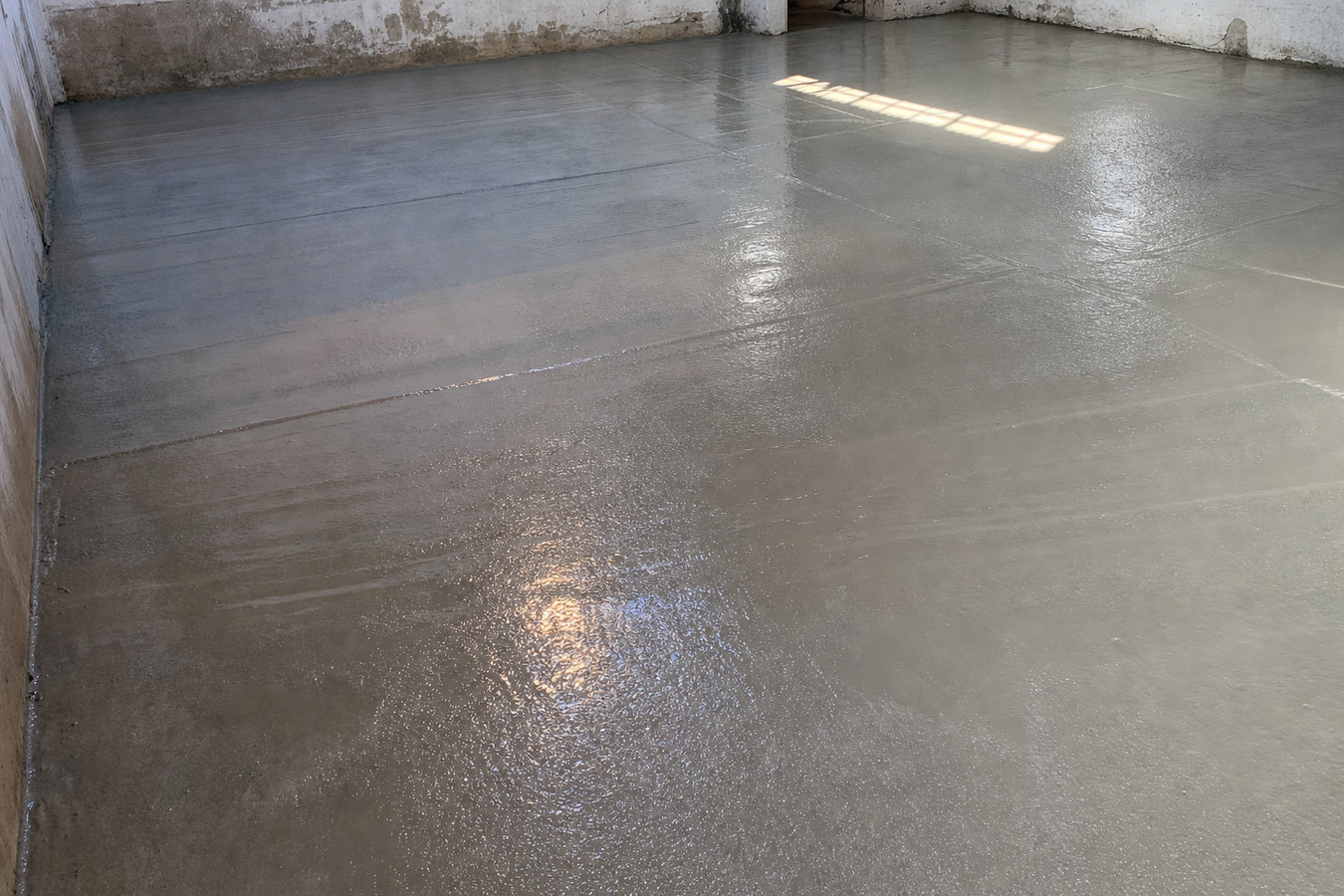
South Florida sun and daily summer rain wear through unprotected concrete fast. A properly applied sealer keeps moisture, stains, and UV damage out before the damage is done.
Concrete sealing in Coral Gables puts a thin protective layer over the surface that keeps moisture, oil, and stains from soaking in, and for most driveways and patios the application itself takes just a few hours with a 24-to-48-hour wait before the surface can be used again.
Think of it like a raincoat for your driveway. Without it, every afternoon storm that rolls through Coral Gables pushes water into the concrete, and that cycle of soaking and drying is what causes surface cracking and flaking over time. Sealing slows that process down considerably - and in a city that gets around 60 inches of rain a year, that matters. If your concrete has already been resurfaced or overlaid recently, sealing is the step that protects that investment.
The surface has to be completely clean and dry before any sealer is applied. Skipping or rushing that prep step is the number-one reason sealers peel, bubble, or fail within the first year. We pressure-wash, treat stains, let everything dry fully, and then apply. Correct prep paired with the right product for Coral Gables conditions is what separates a sealing job that lasts from one that needs to be redone in eighteen months.
Pour a cup of water on your driveway or patio. If it darkens the concrete and disappears within a minute or two, the sealer has worn off. In Coral Gables, where afternoon rainstorms are nearly daily from June through October, unprotected concrete absorbs and releases moisture constantly - and that cycle is what causes cracking and surface flaking over time.
Coral Gables' combination of heat, humidity, and frequent rain creates ideal conditions for mold and mildew to grow on concrete that is not sealed. If you notice dark streaks, greenish patches, or a slippery film on your driveway or pool deck, moisture is sitting in the concrete rather than running off. Sealing will not remove existing growth, but it stops the cycle once the surface is cleaned.
When a sealer breaks down from UV exposure - which happens faster in South Florida than almost anywhere else in the country - it often leaves a chalky white or gray residue. If your driveway or patio looks dull and faded, and rubbing your hand across it leaves a powdery film, the old sealer has failed and needs to be removed and replaced.
Fine surface cracks or small chips in the top layer of your concrete are an early warning sign that moisture has been getting in and expanding during temperature changes. In South Florida this is often accelerated by the combination of heavy rain and intense heat. Sealing now can slow further damage - but if the cracks are wide or deep, a contractor should assess whether repair work is needed first.
Every sealing job starts with surface prep - pressure washing, stain treatment, and crack assessment. We check whether the existing sealer needs to be stripped first, because applying new product over a failed old coat is one of the most common ways a sealing job goes wrong. Once the surface is clean and fully dry, we apply the sealer by sprayer, roller, or squeegee depending on the product and surface type.
For finished interior floors we often recommend pairing sealing with polished concrete - a sealed polish is one of the most durable and lowest-maintenance floors you can have in a South Florida home. For slabs that need more than sealing, we can assess whether concrete resurfacing and overlays is the right next step before sealing begins.
Suited for driveways, patios, and walkways where a visible sheen or wet-look finish is acceptable and the surface gets moderate traffic.
Suited for surfaces near Biscayne Bay or in salt-air zones where invisible, deep-penetrating protection against moisture and salt intrusion is the priority.
Suited for any Coral Gables surface in direct sun - driveways, pool surrounds, and south-facing patios that get intense UV exposure year-round.
Suited for pool decks, exterior steps, and any surface that gets wet regularly, where safety underfoot matters as much as protection from the elements.
Coral Gables gets around 60 inches of rain per year - most of it concentrated between June and October - and average high temperatures exceed 90 degrees for months at a time. Those conditions break down sealers faster than in almost any other part of the continental United States. A product rated to last five years in a drier climate may need replacing in two to three years here. Choosing a UV-resistant sealer from the start is not optional for exterior concrete in this city - it is the difference between a coating that holds and one that chalks and peels within a year. Properties near Biscayne Bay face an additional challenge: salt air from the water works its way into unprotected concrete and causes slow, invisible deterioration that shows up years later as crumbling edges and surface pitting.
Coral Gables also has a significant number of homes built in the 1920s through 1950s, and original concrete from that era is more porous and fragile than modern pours. Homeowners in Pinecrest and South Miami deal with similar older stock. Sealing older concrete requires more careful prep and product selection - the wrong sealer applied over inadequate prep can cause discoloration or damage on historic surfaces that is difficult to reverse.
Read more about concrete durability and protection standards at the Portland Cement Association and climate data for South Florida at the National Weather Service Miami.
Reach out by phone or form and you will hear back within one business day. We ask about the surface type, rough square footage, and any HOA requirements you are aware of - so we can give you a useful first read before we even visit the property.
We look at the surface up close - checking for cracks, oil stains, mold, and whether old sealer needs to be stripped before anything new goes on. You get a written estimate that covers the prep work and the sealing product so there are no surprises.
The crew pressure-washes the concrete, treats stains, and lets everything dry fully before the sealer goes on. In South Florida's humidity this drying step sometimes takes longer than expected - we do not rush it because a sealer applied over damp concrete will fail early.
Most applications need 24 hours before foot traffic and 48-72 hours before vehicles. We walk the surface with you before leaving and point out anything to watch for. We also tell you when you can expect to reseal given Coral Gables' weather conditions.
Free estimate, no obligation. We assess your surface and recommend the right sealer for your specific Coral Gables conditions.
(645) 300-7691We specify UV-resistant sealers for exterior surfaces exposed to Coral Gables' intense sun, and penetrating sealers for properties near Biscayne Bay where salt air is a factor. A product that works in a cooler, drier climate is not necessarily the right choice here, and we do not treat them as interchangeable.
Rushing or skipping prep is the most common reason sealing jobs fail within the first year. We pressure-wash, treat stains, strip old failed sealer when needed, and confirm the surface is dry before applying anything. That extra time up front is what makes the finish last.
Coral Gables has some of the most active architectural review boards in South Florida, and some neighborhoods specify acceptable sheen levels or finishes for exterior surfaces. We know the local landscape and help you confirm your sealer choice is compliant before work begins - so you do not finish the job and then get a letter asking you to redo it.
Many homes in the city were built in the 1930s through 1950s, and original concrete from that era is more porous and requires more care than a modern slab. We take extra time on prep for older surfaces and choose products that protect without causing the discoloration or damage that can happen when the wrong sealer meets fragile historic concrete.
Sealing is one of the most cost-effective ways to extend the life of concrete in South Florida. Done right, it prevents the damage that leads to expensive repairs later.
When sealing alone is not enough, resurfacing can repair and refresh worn or damaged concrete before a new protective finish goes on.
Learn MoreA polished and sealed concrete floor is one of the most durable and low-maintenance options for Coral Gables homes and businesses.
Learn MoreCall today or request a free estimate. We will assess your driveway, patio, or pool deck and recommend the right protection for Coral Gables conditions.