Loading...
Uneven floors in older Coral Gables homes cause tile to crack and flooring to fail. We pour self-leveling concrete that corrects dips and creates a solid, moisture-safe base ready for any finish.
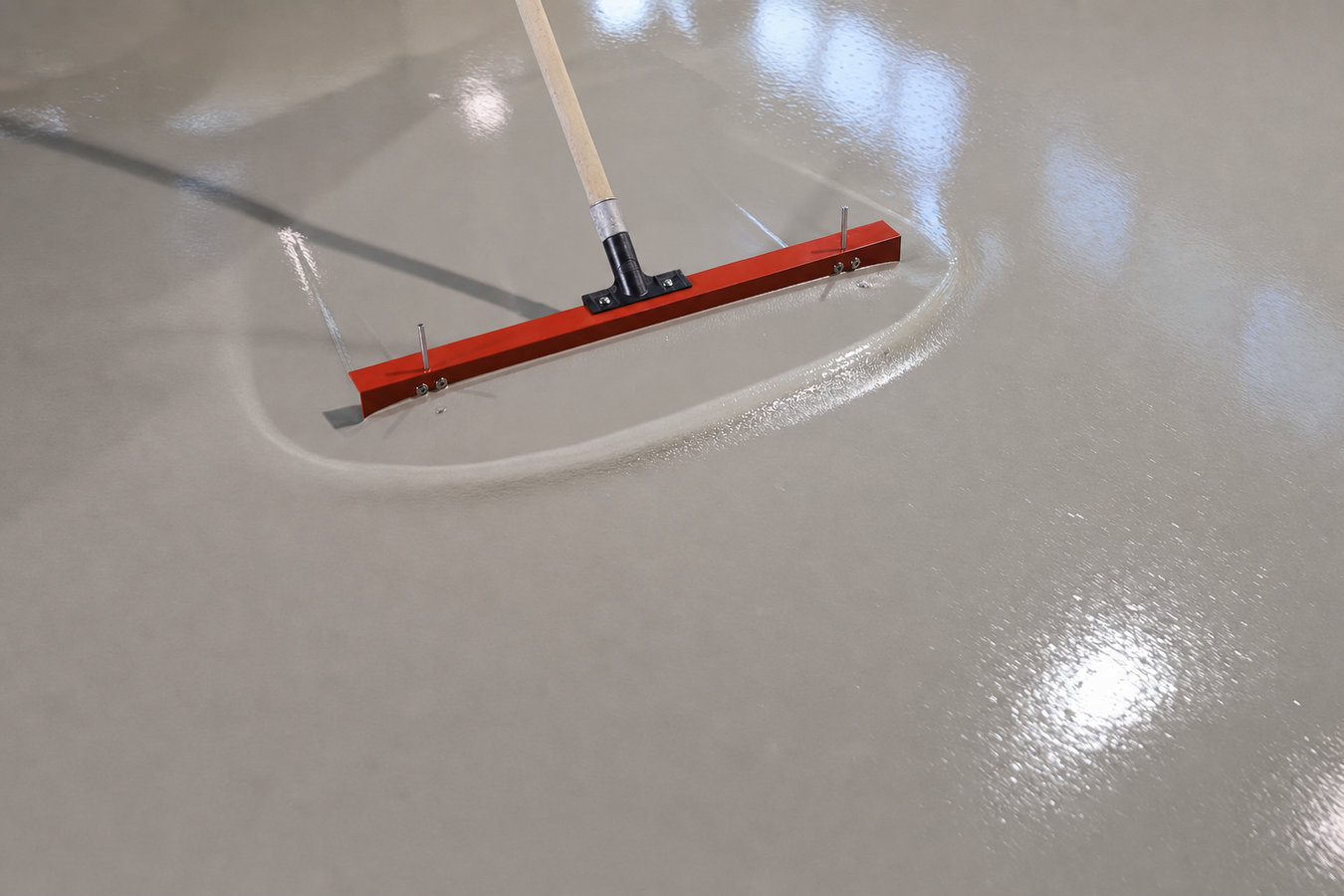
Self-leveling concrete in Coral Gables is a specially mixed material poured over an existing floor that flows out and settles into a smooth, flat surface on its own - no troweling required - and most single-room jobs are complete in one day with foot traffic possible within hours.
Many Coral Gables homes were built between the 1920s and 1960s, and those original slabs have shifted and settled over decades of South Florida heat cycles. When a floor is noticeably uneven, new tile cracks, vinyl planks lift at the edges, and nothing sits right. Self-leveling concrete corrects that base problem so whatever you install on top actually holds. For floors that are already flat but need a fresh appearance, our concrete resurfacing and overlay service handles the cosmetic side without a full leveling pour.
Decorative overlays are a related option - applied on top of a sound floor to refresh its look with color, texture, or a polished finish. Many Coral Gables homeowners use overlays on pool decks, garage floors, and open-plan living areas to get a high-end appearance without tearing out the original slab.
If you can feel a slope when you walk across a room, or if furniture rocks because the floor is not flat, the surface needs leveling. In older Coral Gables homes, slabs shift and settle over time, and what starts as a minor unevenness can become a tripping hazard or cause new flooring to crack. Self-leveling concrete is often the most efficient fix before installing tile, hardwood, or vinyl.
If you have replaced tiles or vinyl planks more than once and they keep cracking or lifting at the edges, the problem is usually the floor underneath - not the flooring itself. An uneven or weak base puts stress on whatever sits on top of it. Fixing the subfloor with a self-leveling pour is the step that makes the next flooring installation actually hold.
A white, chalky residue on a concrete floor - especially near the edges of a room or under rugs - is often a sign that moisture is moving up through the slab. This is common in Coral Gables given the area's high water table and humidity. Left unaddressed, this moisture will damage any flooring installed on top. A moisture-blocking primer and fresh overlay can stop the cycle.
Coral Gables homeowners with pools know that South Florida's sun, heat, and humidity are hard on outdoor concrete. If your pool deck surface is rough underfoot, has peeling patches, or looks permanently stained, a decorative overlay can restore a smooth, attractive finish without the cost and disruption of full replacement - one of the most common overlay applications in this area.
We handle both the structural and the cosmetic side of concrete floor work in Coral Gables. Self-leveling pours correct floors that have shifted or settled in older homes, creating a stable, moisture-tested base before any finish is applied. For homes where pool decks or patios are the priority, our pool deck coatings and resurfacing service pairs overlay application with sealers rated for pool chemical and salt-air exposure - so the finish holds up through years of South Florida sun and water, not just the first season.
When a job requires both leveling and a decorative finish, we combine the self-leveling pour with our concrete resurfacing and overlay work - correcting the floor first, then applying the color, texture, or polished finish on top. That two-step approach is the right call for older Coral Gables slabs that need more than a cosmetic refresh.
Best for floors with noticeable dips, slopes, or damage that cause installed flooring to crack or lift - common in Coral Gables homes built before 1970.
Suits homeowners who want a polished, tinted, or textured finish on a floor that is already structurally sound but looks worn or dated.
Ideal for Coral Gables slabs that show signs of moisture vapor coming up from the ground - tested and treated before any overlay or flooring goes down.
A combined approach for older slabs that need both a flat base and a new appearance - pool decks, garage floors, and open-plan living areas are common applications.
Coral Gables sits just a few miles from Biscayne Bay, and the combination of high humidity and South Florida's shallow water table means moisture is almost always trying to push up through concrete slabs. This matters because self-leveling materials bond directly to the slab - and if moisture is not controlled first, that bond can fail within months. Any contractor working here should test for moisture before pouring and use a vapor-blocking primer as a standard step, not an optional add-on. We serve homeowners in South Miami and Kendall who face the same moisture and older-slab challenges throughout Miami-Dade County.
A large share of Coral Gables homes were built between the 1920s and 1960s, and those original slabs have settled, cracked, and been patched multiple times over the decades. These older slabs often need more prep work - crack repair, grinding down high spots - before a self-leveling pour can go down, and that extra prep is what makes the finished floor last. The city's HOA communities and architectural review process also affect exterior overlays - in neighborhoods like Gables Estates or Cocoplum, the HOA may require approval of the finish color or texture before work begins on a visible outdoor surface.
When you reach out we ask a few basic questions - the size of the area, what is currently on the floor, and what you are hoping to achieve. This helps us arrive prepared and give you a more accurate estimate. We respond within one business day and can typically schedule an on-site visit within a few days.
At the visit we walk the space, check for cracks or damage, and test for moisture - especially important in South Florida homes near Biscayne Bay. We measure the floor's low and high points to determine how much material is needed and whether any repairs are required first. You receive a written estimate that breaks down labor, materials, and prep work.
The crew cleans the floor thoroughly, grinds down any high spots, fills cracks, and applies a bonding primer - or a moisture-blocking primer if the test showed vapor coming up through the slab. This is the most important part of the job, and we do not rush it. Skipping or shortcutting this step is the most common cause of overlay failures.
The self-leveling material is mixed and poured across the floor where it spreads and settles on its own. For decorative overlays, tinting or texturing happens during this phase. We walk through the finished area with you, explain the curing timeline - typically 24 to 48 hours - and confirm the floor is ready for furniture or new flooring.
We respond within one business day. Free on-site estimates, no pressure, no obligation.
(645) 300-7691South Florida's high water table and proximity to Biscayne Bay mean moisture vapor coming through the slab is one of the most common reasons floor work fails here. We test before every pour and use a vapor-blocking primer when the results call for it. That step is what separates a floor that holds up through South Florida summers from one that bubbles and peels within the year.
Many homes in Coral Gables were built in the 1920s through 1960s, and those original slabs need a more thorough assessment before any pour. We check for soft spots, uneven settling, and prior repairs that could affect bonding - and we tell you what we find before quoting, not after the work starts. That up-front honesty protects you from unexpected costs mid-project.
Communities like Gables Estates and Cocoplum have active design review processes, and exterior overlays on pool decks or patios may require HOA approval before work can begin. We help homeowners identify what approval is needed, submit what is required, and schedule the pour only after everything is cleared - so there are no compliance surprises after the fact.
The weeks before and after major storms are the busiest period for contractors across Miami-Dade. We help you plan around the weather - recommending the dry season from December through April for overlay and leveling projects where curing conditions matter most. Booking early in the dry season typically means faster scheduling and more predictable project timelines.
Concrete floor work in an older South Florida home requires local knowledge that goes beyond standard technique - moisture management, slab age, and HOA approval timelines all affect how a project runs. We bring that experience to every job in Coral Gables and the surrounding communities. The American Society of Concrete Contractors sets industry best practices for the surface preparation and moisture testing steps we follow on every project. The Florida Concrete and Products Association provides Florida-specific guidance for contractors working in this climate.
Overlay and coating systems built for pool environments - pool-chemical resistant, salt-air rated, and slip-safe for your Coral Gables pool deck.
Learn MoreFor surfaces that are already flat but need a new look - we apply decorative overlays that restore driveways, patios, and entries without a full leveling pour.
Learn MoreCall or request a free estimate today. Dry season slots book fast, and getting on the calendar now means your floors are ready before summer arrives.